Climb Mount Kilimanjaro Africa's Highest Peak
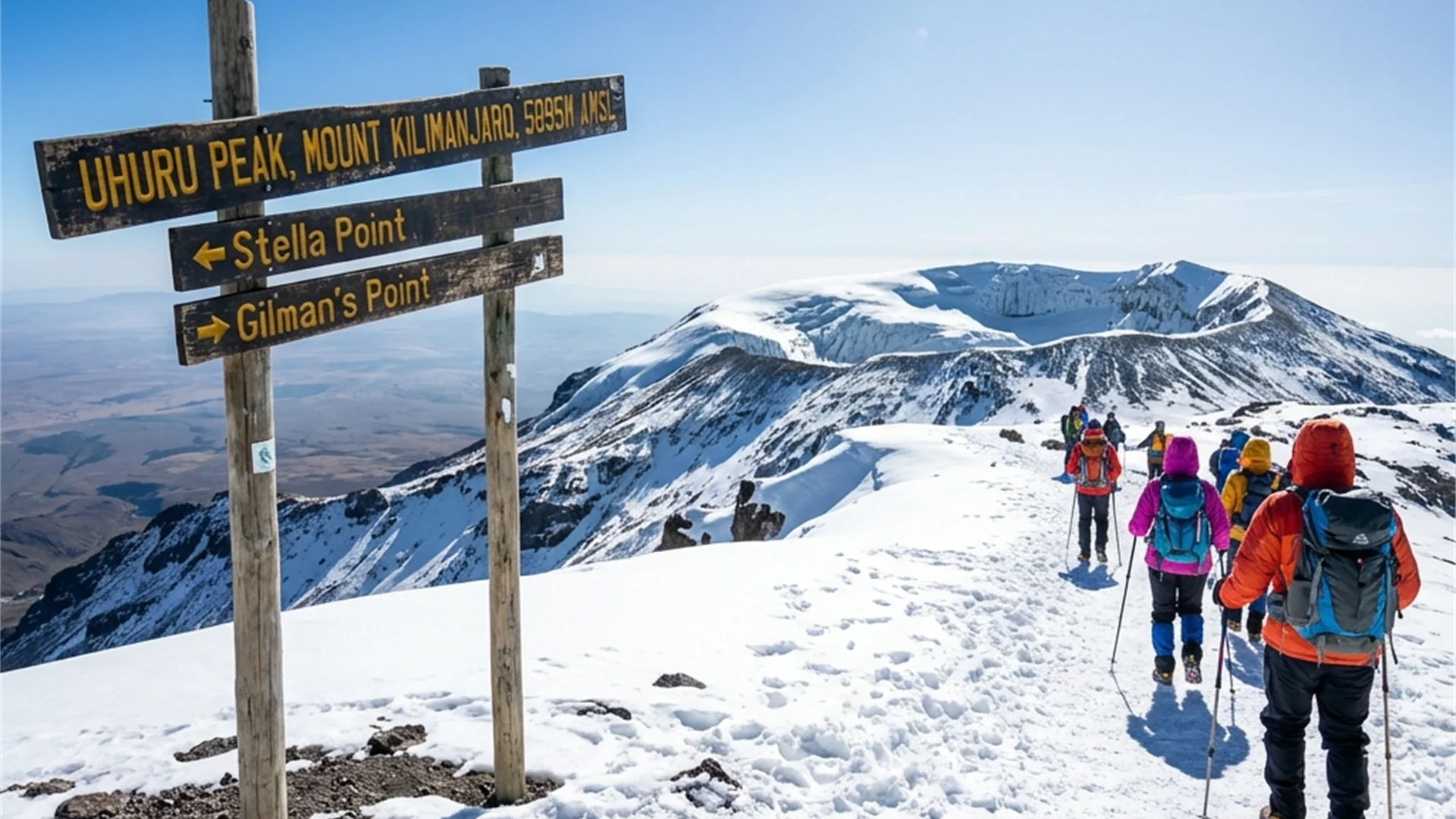
Guided treks to Uhuru Peak — 5,895 m above sea level — with the support team, safety equipment, and local expertise you need to summit successfully.
CLIMB WITH US

Africa's Highest Peak
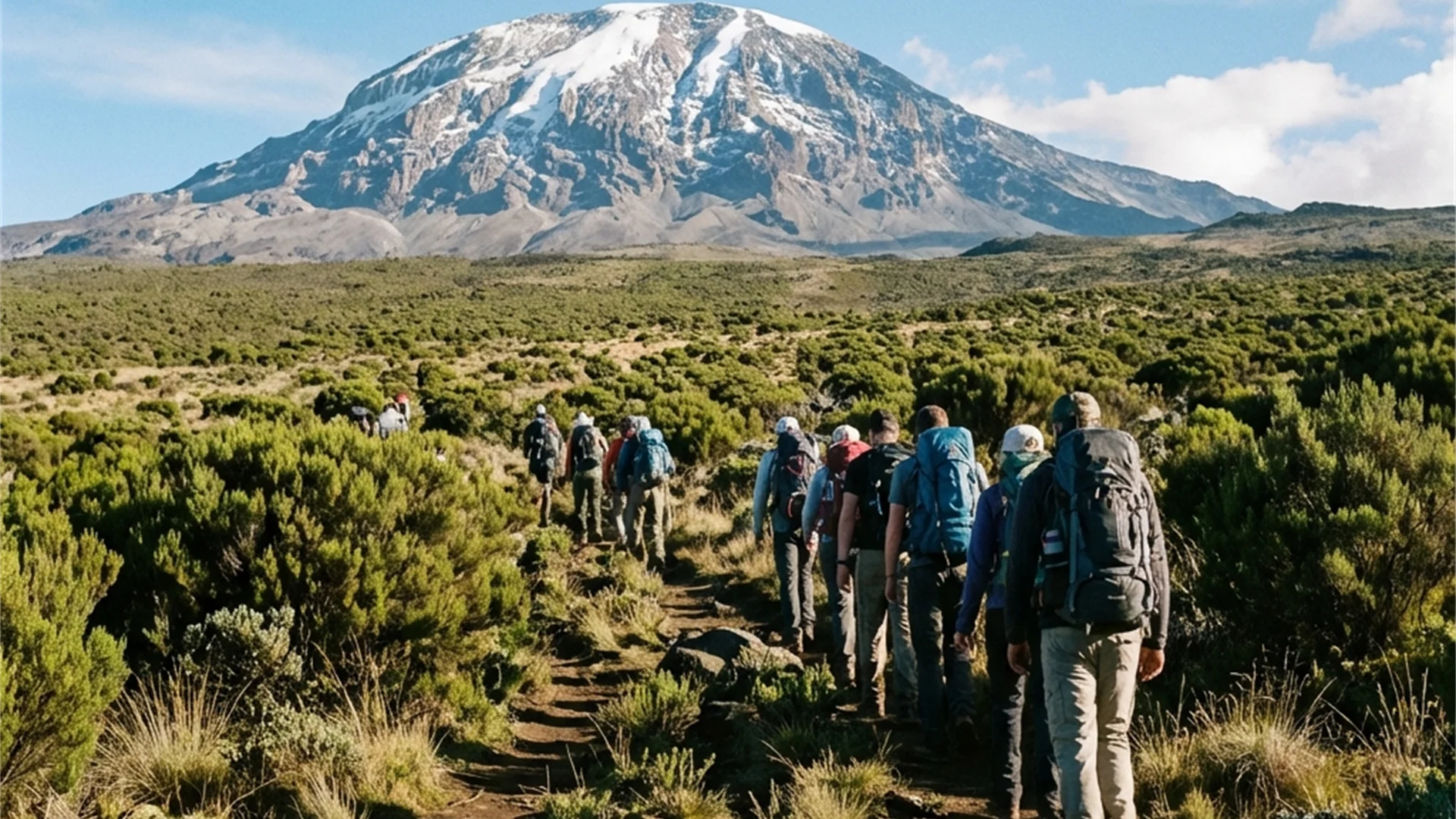
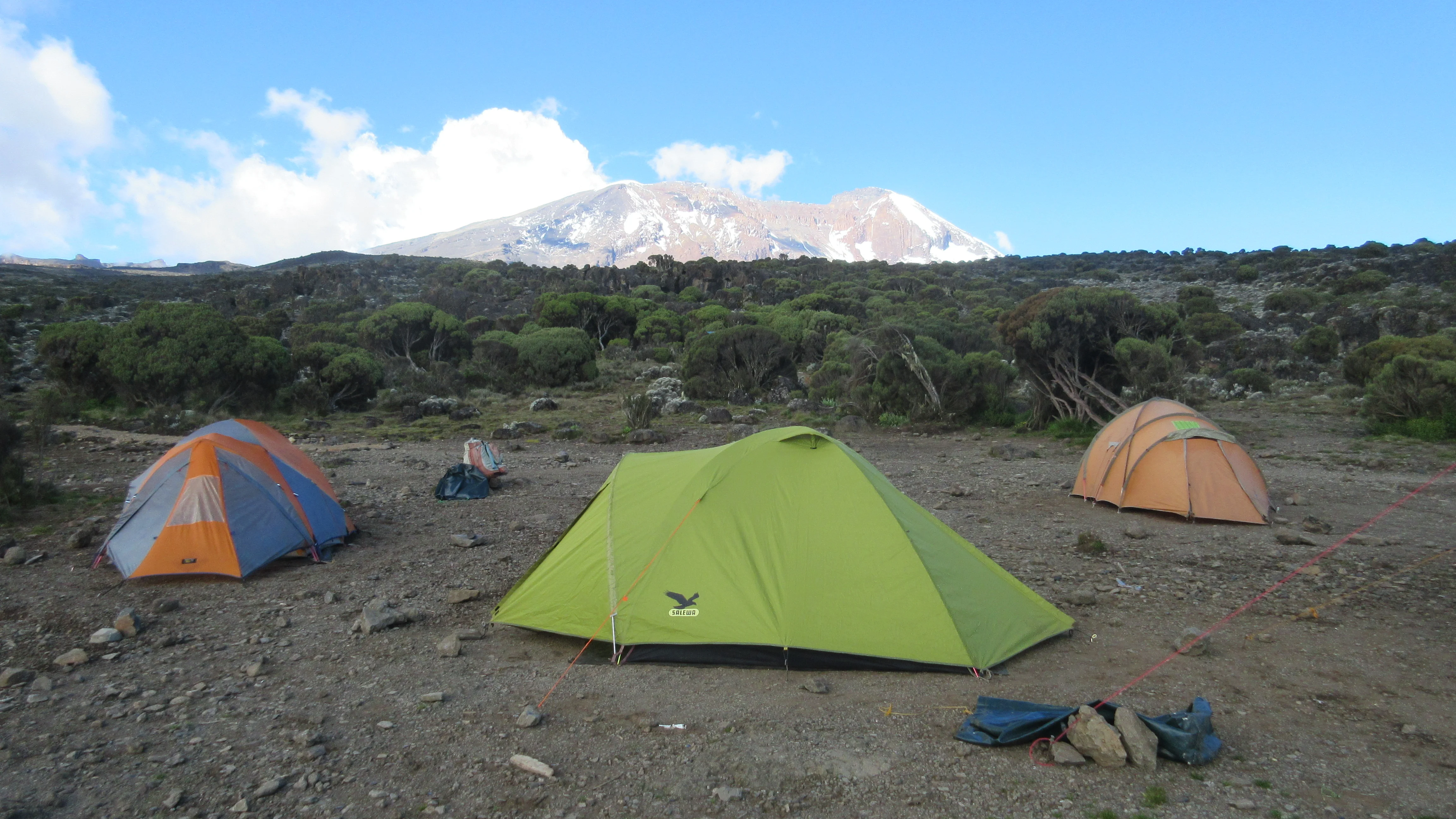
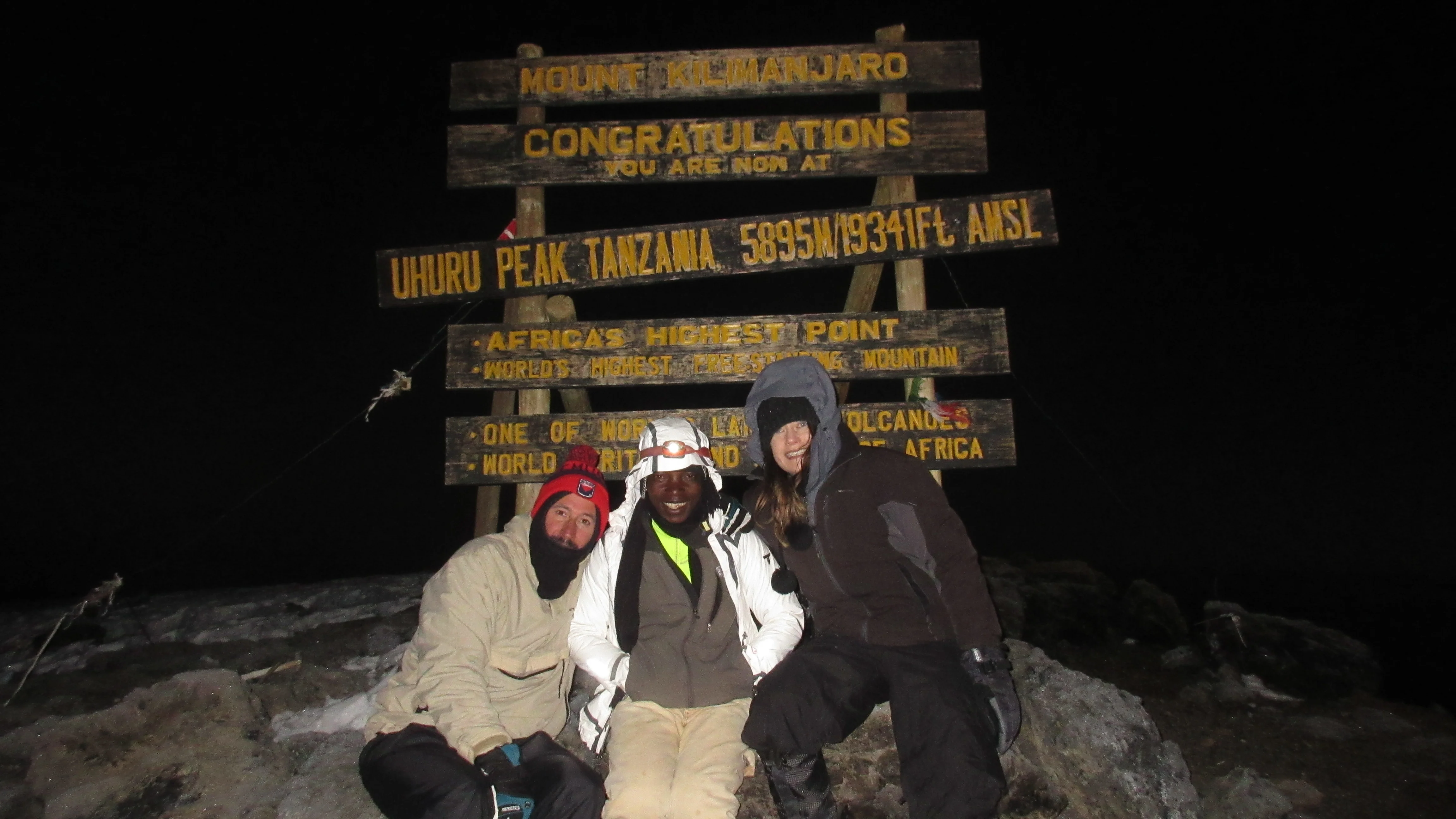
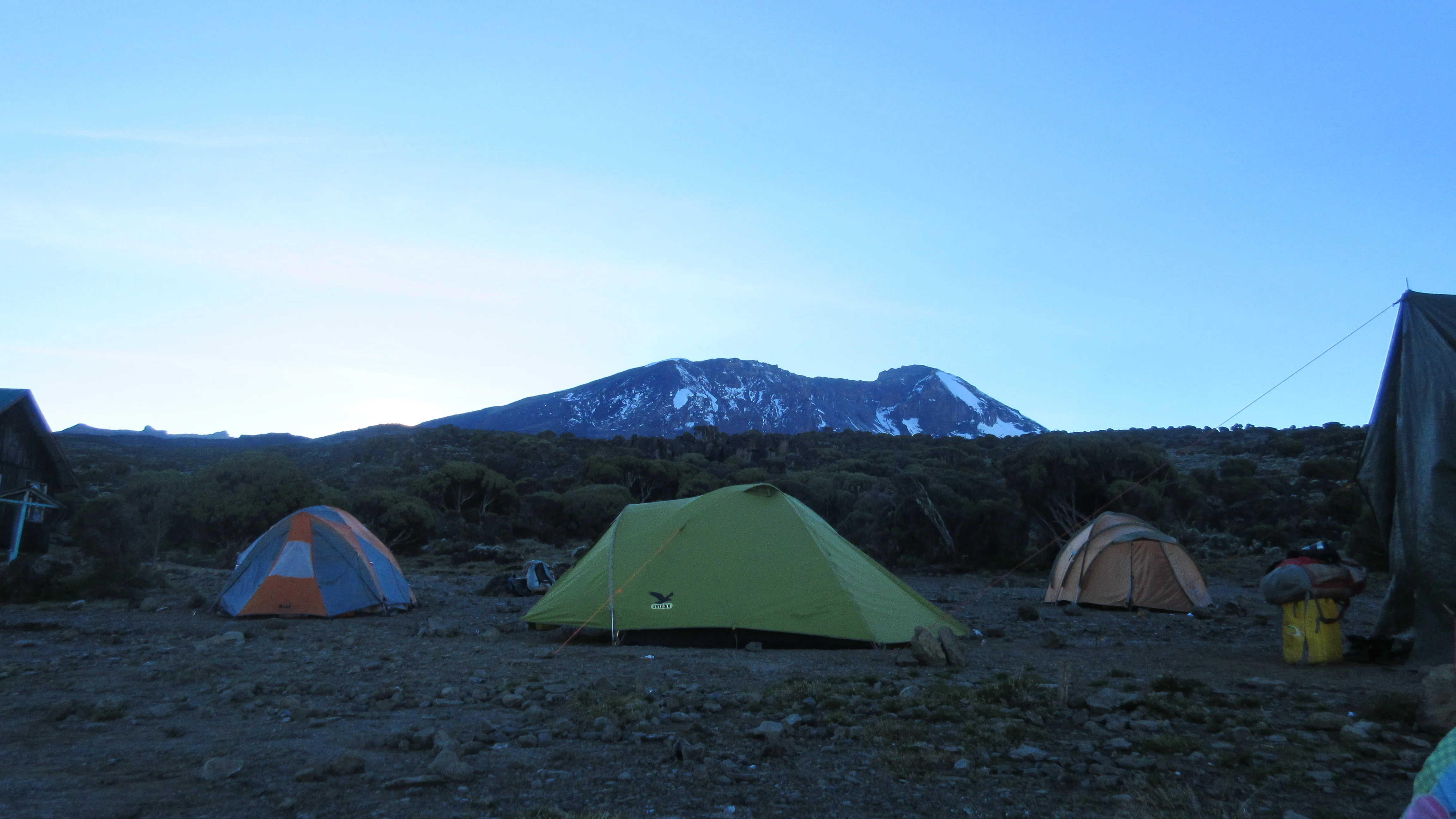
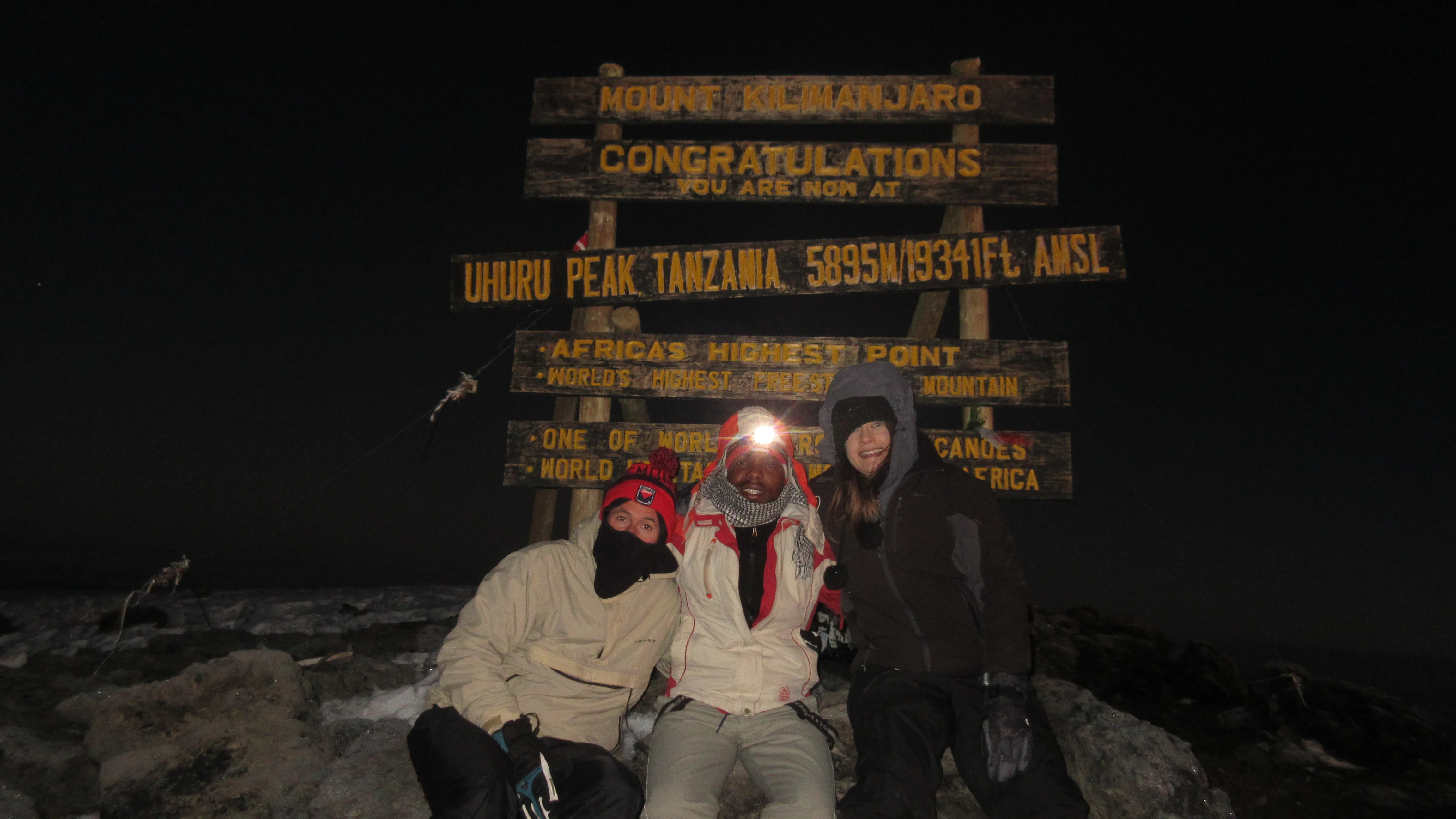
Mount Kilimanjaro rises 5,895 m above sea level — the highest mountain in Africa and the tallest freestanding mountain in the world. Climbers pass through rainforest, moorland, alpine desert, and glaciers before reaching Uhuru Peak at sunrise. With the right route and support team, Kilimanjaro is achievable for many first-time climbers.
Quick Trip Overview
Why Climb With Us
Popular Kilimanjaro Routes
The best route depends on your time, experience, and acclimatization plan.
Lemosho Route
The most scenic route with excellent acclimatization and one of the highest summit success rates. Approaches from the west through pristine forest.
Machame Route
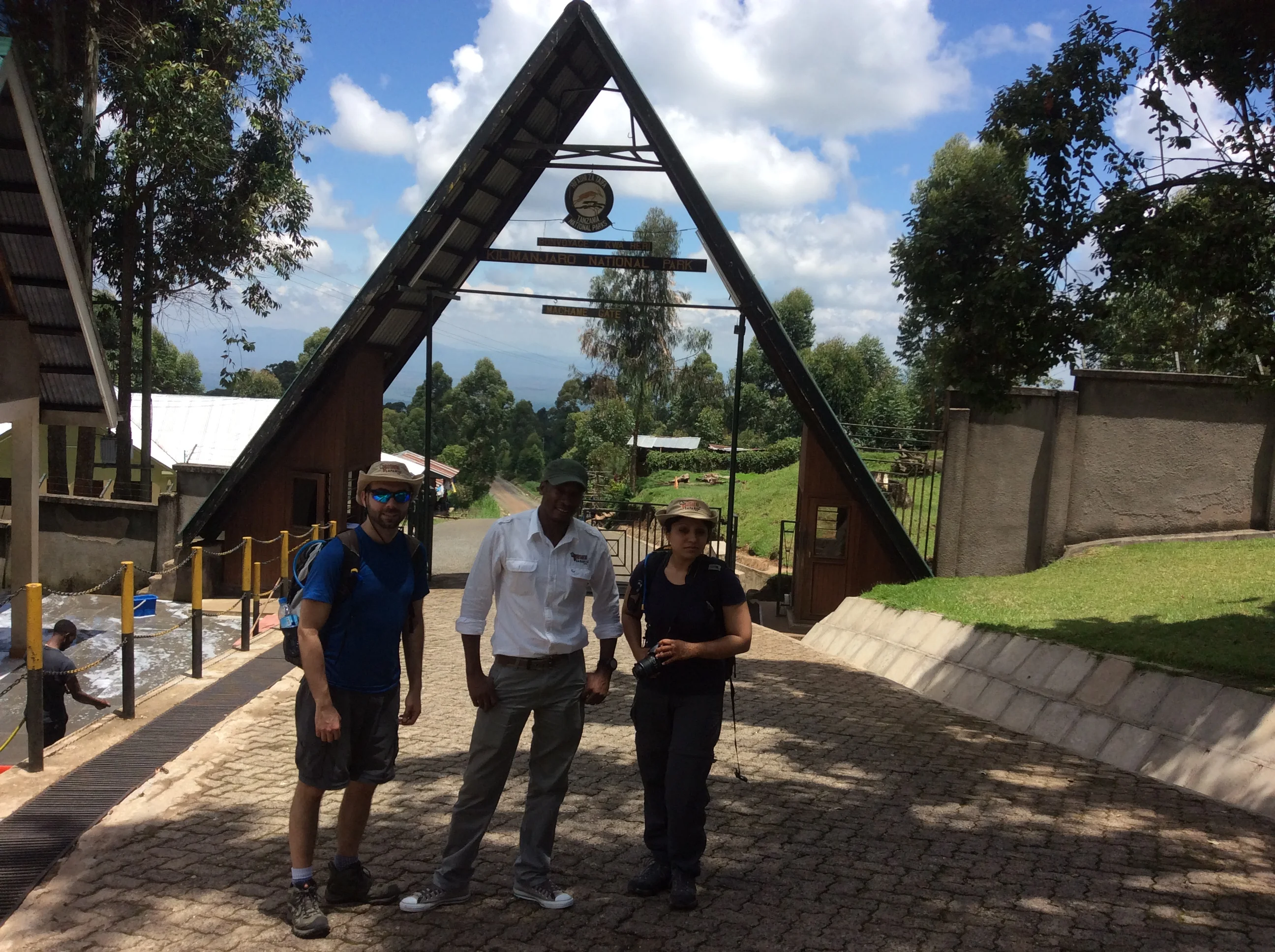
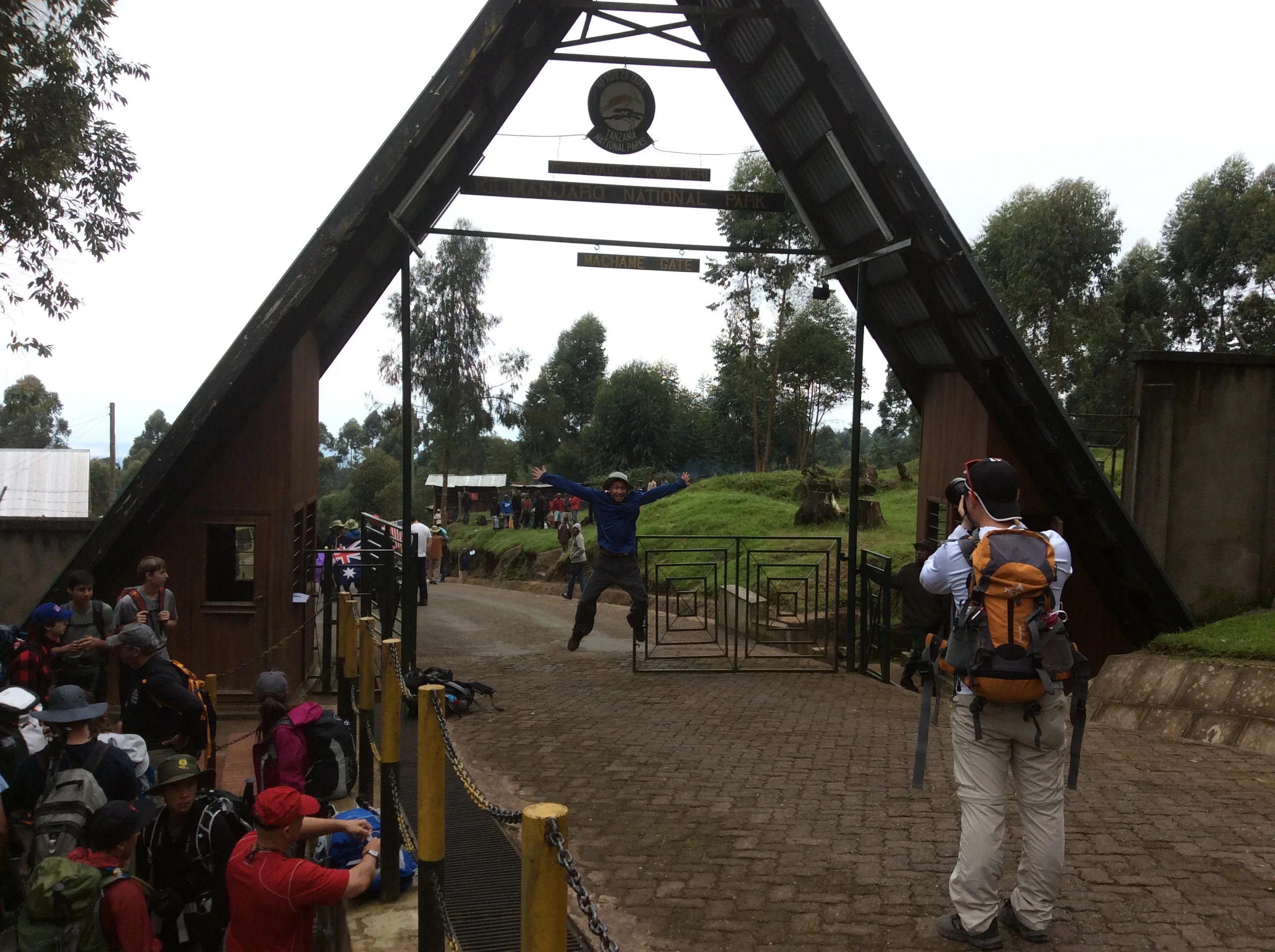
Known as the "Whiskey Route," Machame offers dramatic scenery and a challenging but rewarding climb via the famous Barranco Wall.
Marangu Route
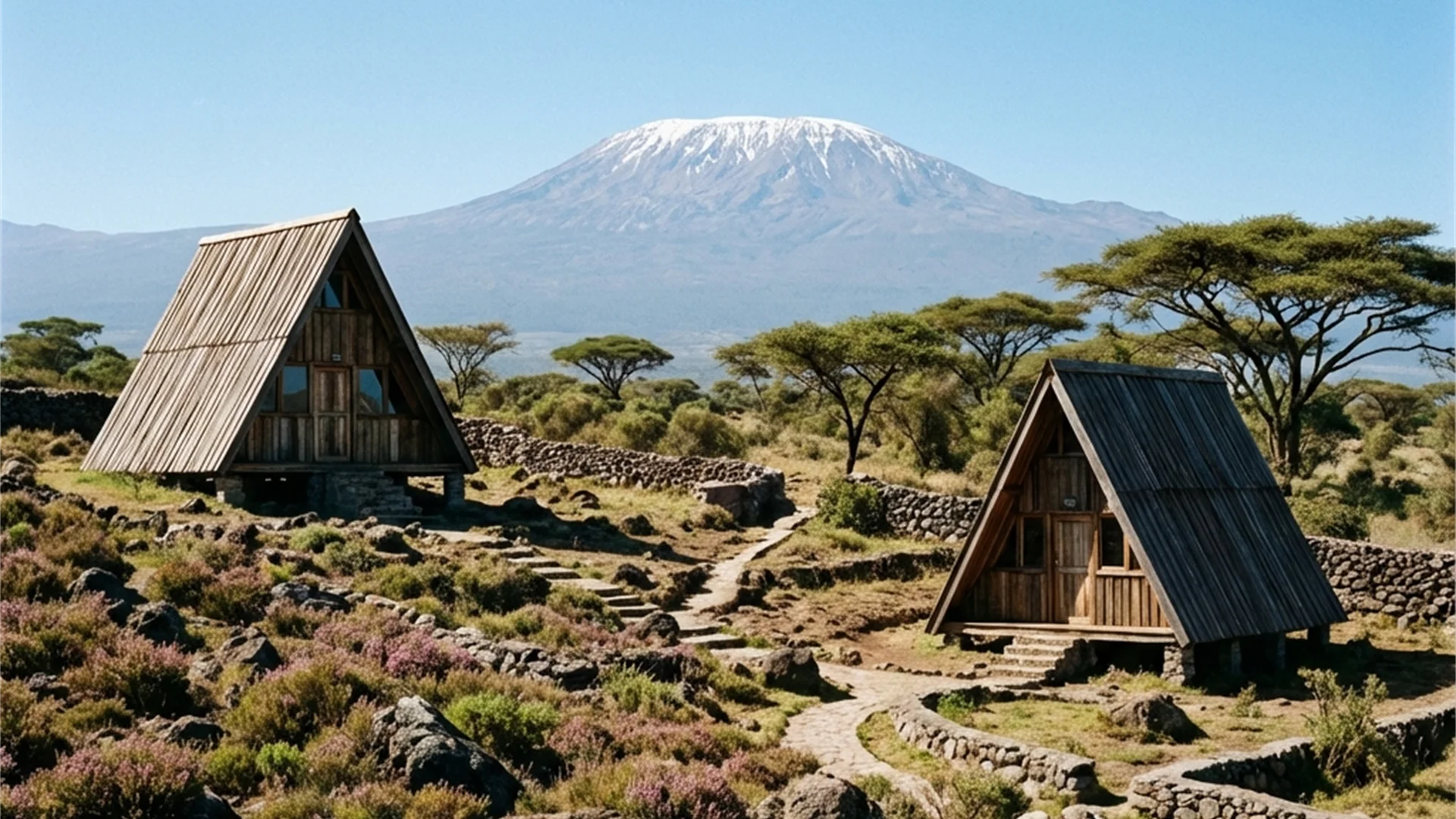
The "Coca-Cola Route" is the only route with hut accommodation, making it a comfortable option — though its shorter length means tougher acclimatization.
Rongai Route
Approaches from the northern side near the Kenyan border. Quieter trails, semi-arid landscapes, and a unique perspective on Kilimanjaro.
Sample Kilimanjaro Tour
8-Day Lemosho Route
Itinerary is fully customizable. We also offer 6, 7, and 9-day versions of this route.
Inclusions
- Kilimanjaro National Park fees
- Professional mountain guides
- Porters and support crew
- All mountain meals (breakfast, lunch, dinner)
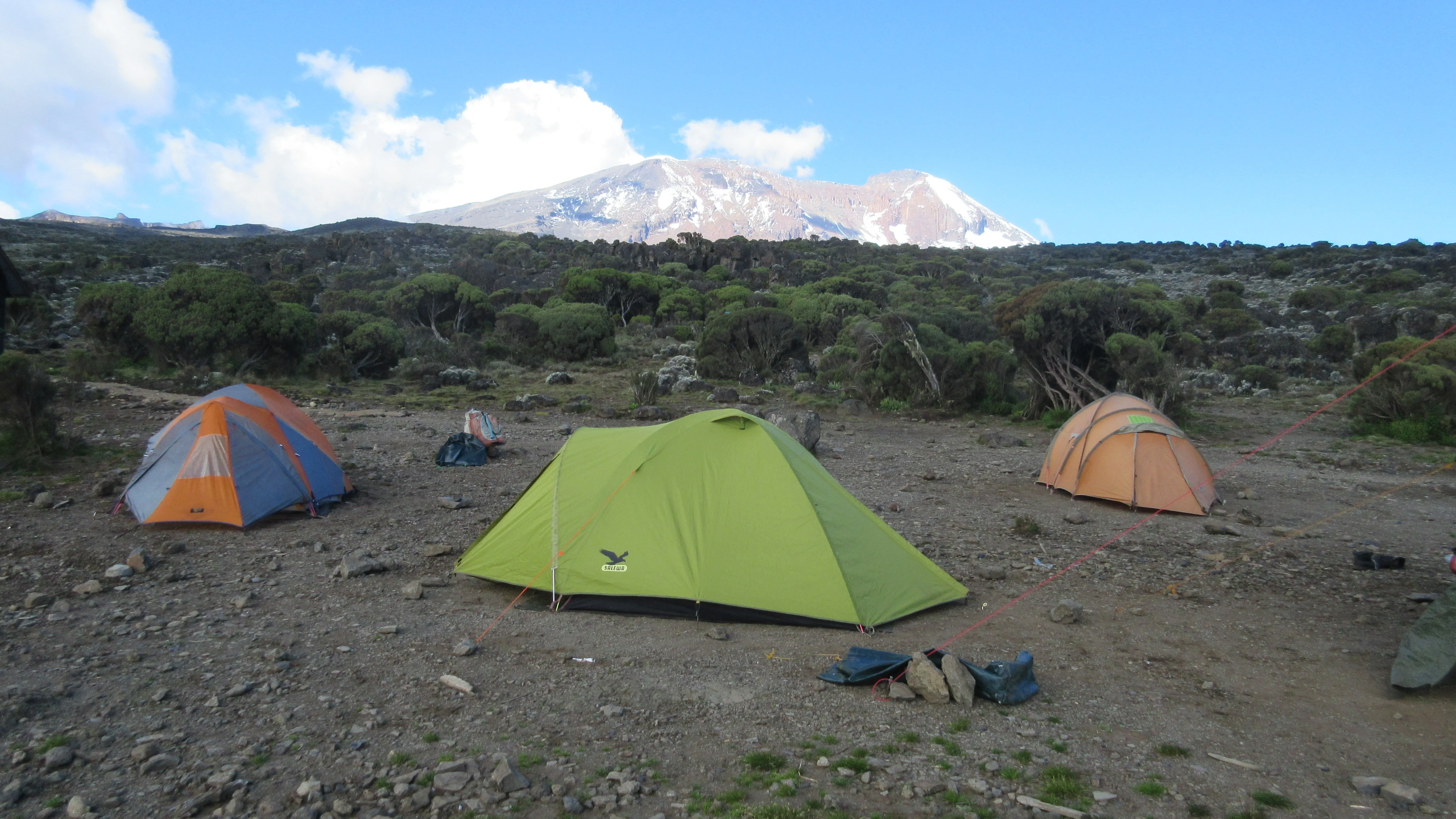
- 4-season mountain tents
- Sleeping bags and sleeping pads
- Dining tent and equipment
- Transfers from Arusha or Moshi
- Safety equipment & supplemental oxygen
- Summit certificate
Exclusions
- International flights
- Travel insurance (required)
- Personal climbing gear (boots, layers, gaiters)
- Tips and gratuities for guides and crew
- Visa fees
- Alcoholic drinks
- Services not mentioned in the itinerary
- Medical repatriation coverage
A Typical Day on the Mountain
Hot porridge, eggs, toast, and tea or coffee are prepared by the cook. Your guide checks in on how you slept and monitors acclimatization before the day's trek begins.
Set off at a comfortable pace — "pole pole" (slowly, slowly). Your guide leads the way, pointing out plants, wildlife, and geological features as the landscape transforms around you.
Arrive at camp for a hot lunch. Soup, pasta, and fresh fruit are served in the dining tent. Time to rest, refill water, and let your body adjust to the altitude before the afternoon.
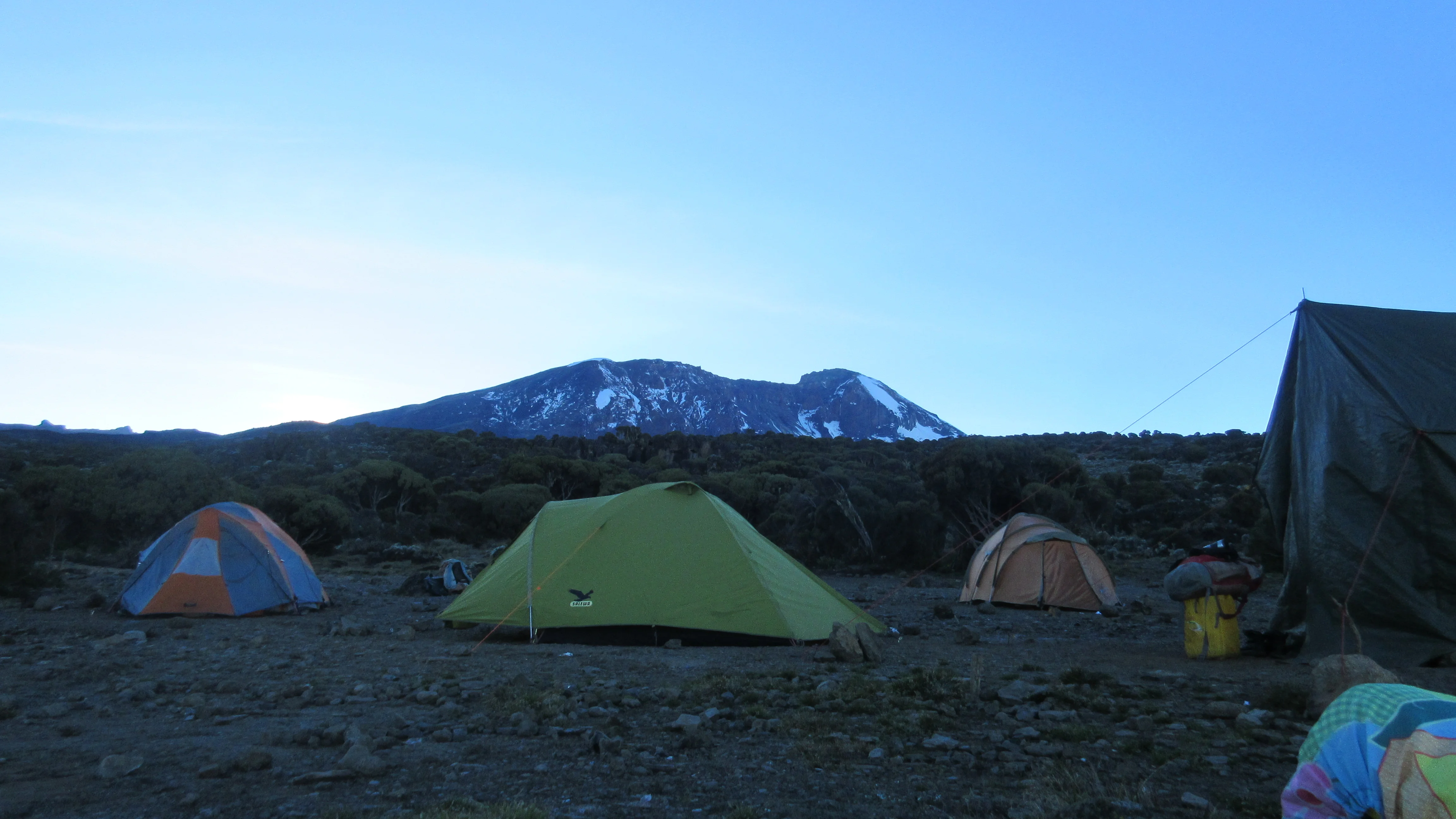
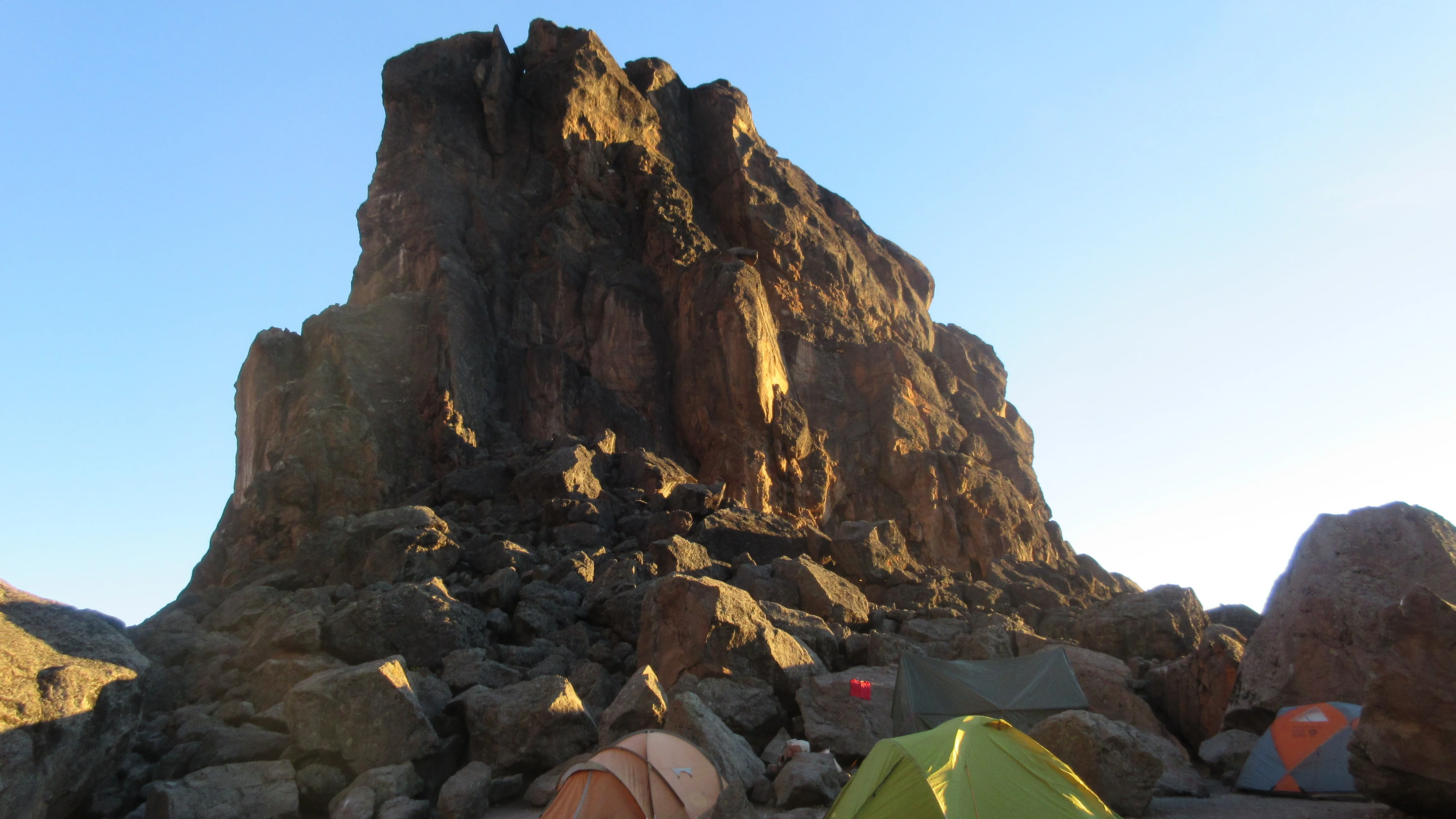
On key acclimatization days, your guide leads a short climb above camp to help your body adjust. These walks are essential for summit success and are built into the Lemosho schedule.
Hot three-course dinner in the dining tent. Your guide briefs you on the next day's route, what to expect, what to wear, and answers any questions before you get an early night's rest.
What the Climb Is Like
Climbing Kilimanjaro is not a technical mountaineering expedition. No ropes or climbing experience are required. However, it is a multi-day high-altitude trek — and the altitude is the primary challenge.
🌿 Rainforest Zone
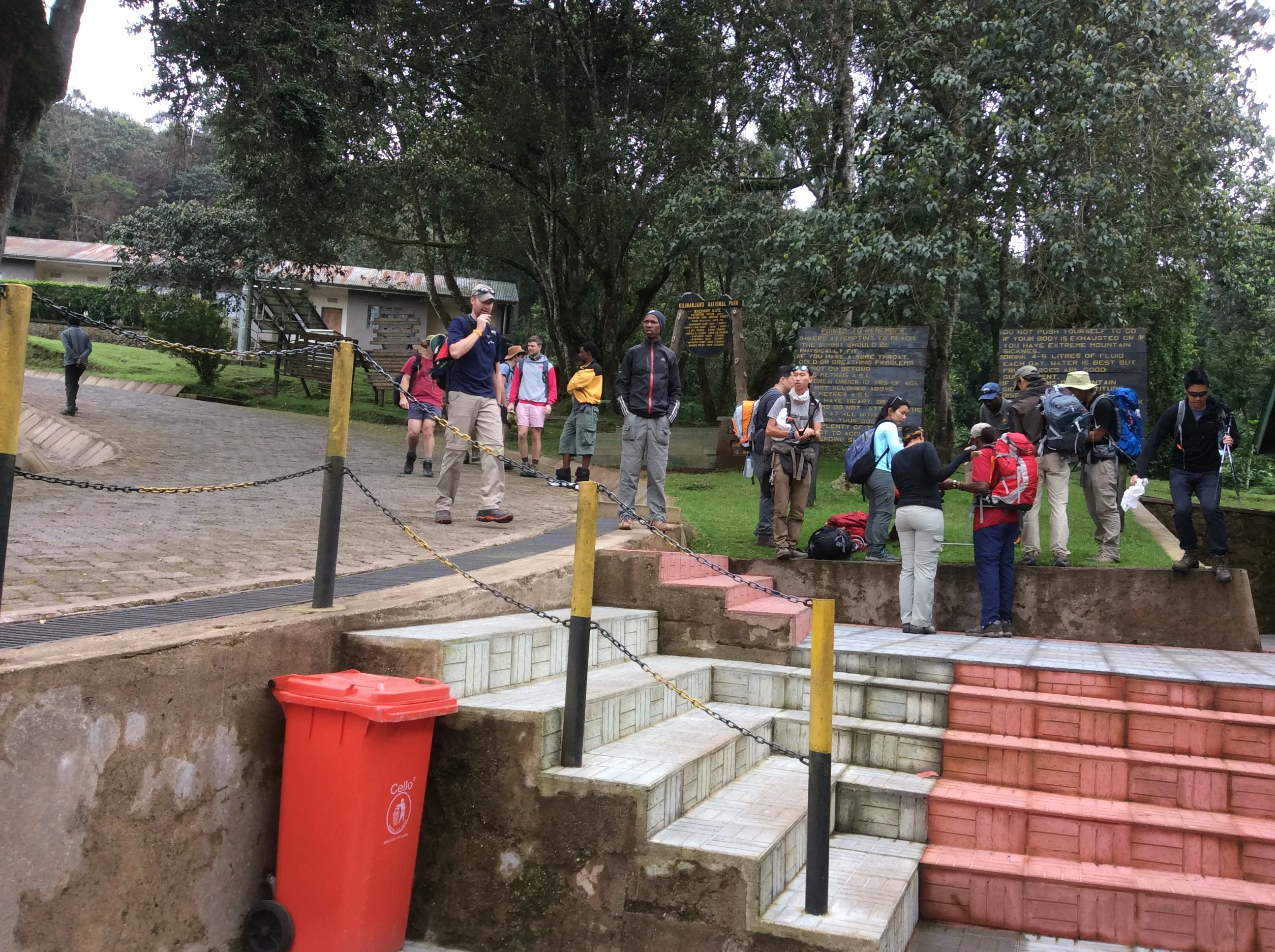
From 1,800–2,800 m. Dense vegetation, colobus monkeys, and rich birdlife. Humid and lush — a dramatic start to the climb.
🌱 Moorland & Heather
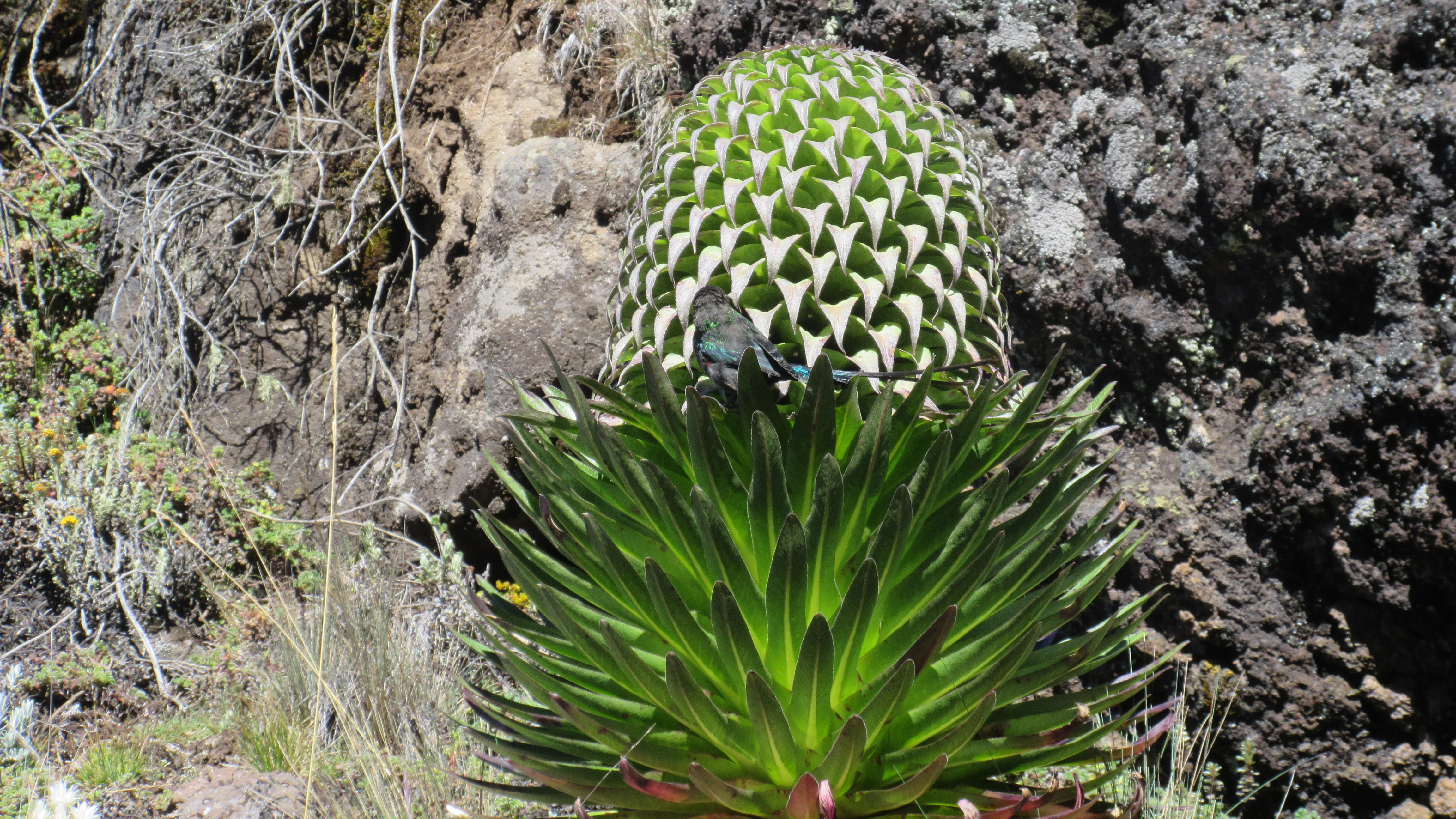
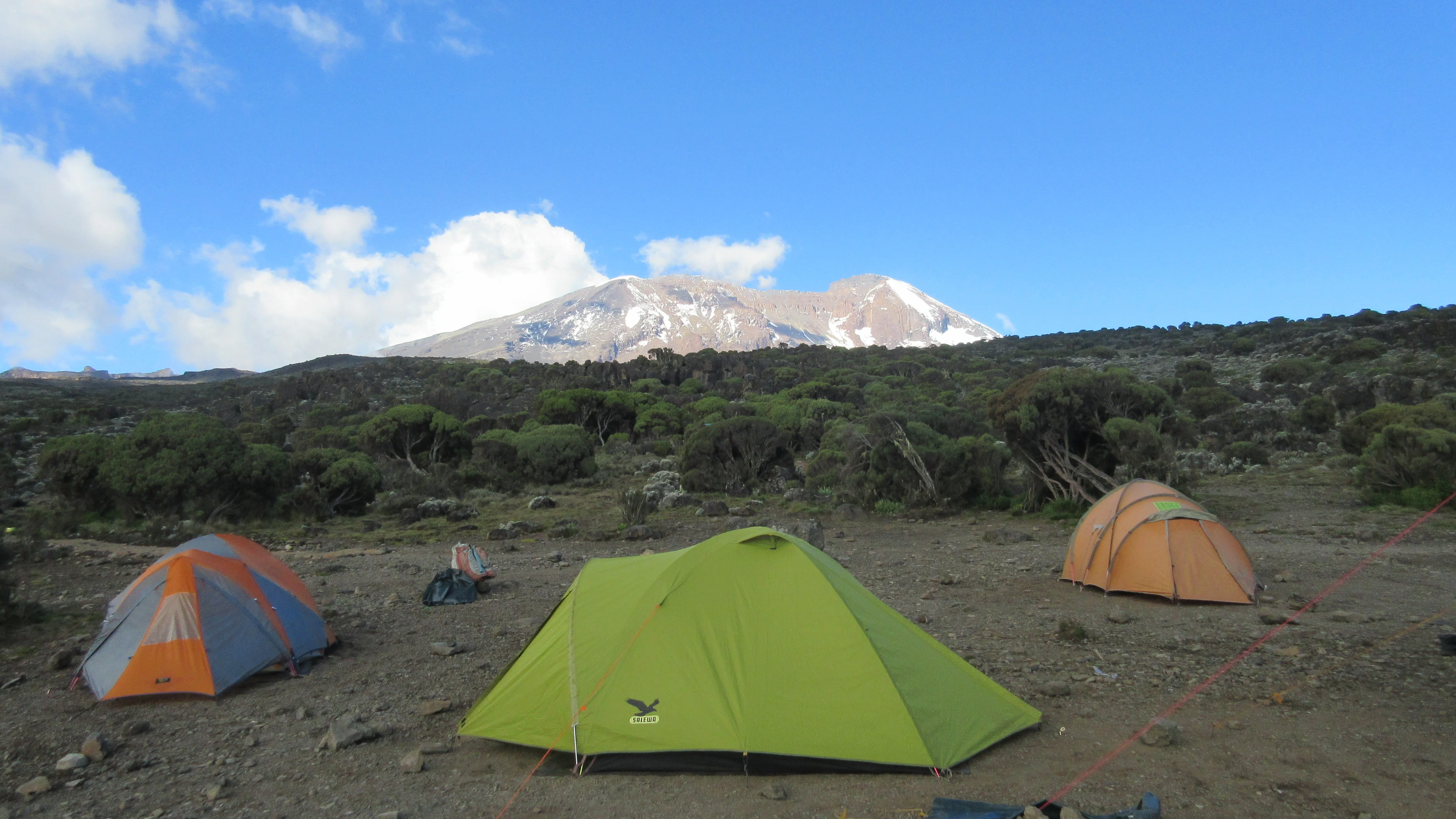
From 2,800–4,000 m. Giant heather, groundsels, and lobelias. Views open up dramatically as the forest thins.
🪨 Alpine Desert
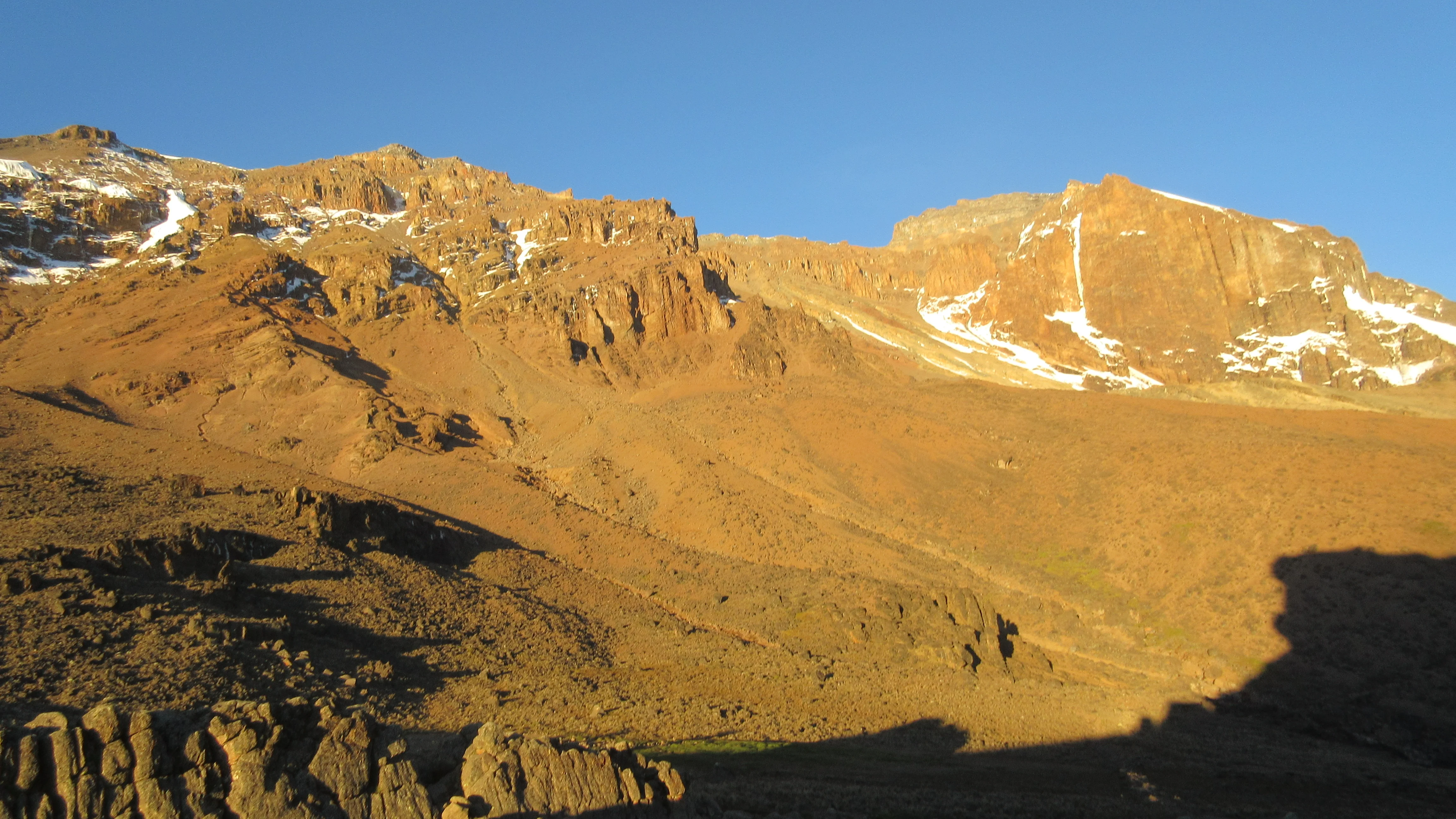
From 4,000–5,000 m. A stark, otherworldly landscape. Temperatures drop sharply and the air thins considerably.
🧊 Arctic Summit Zone
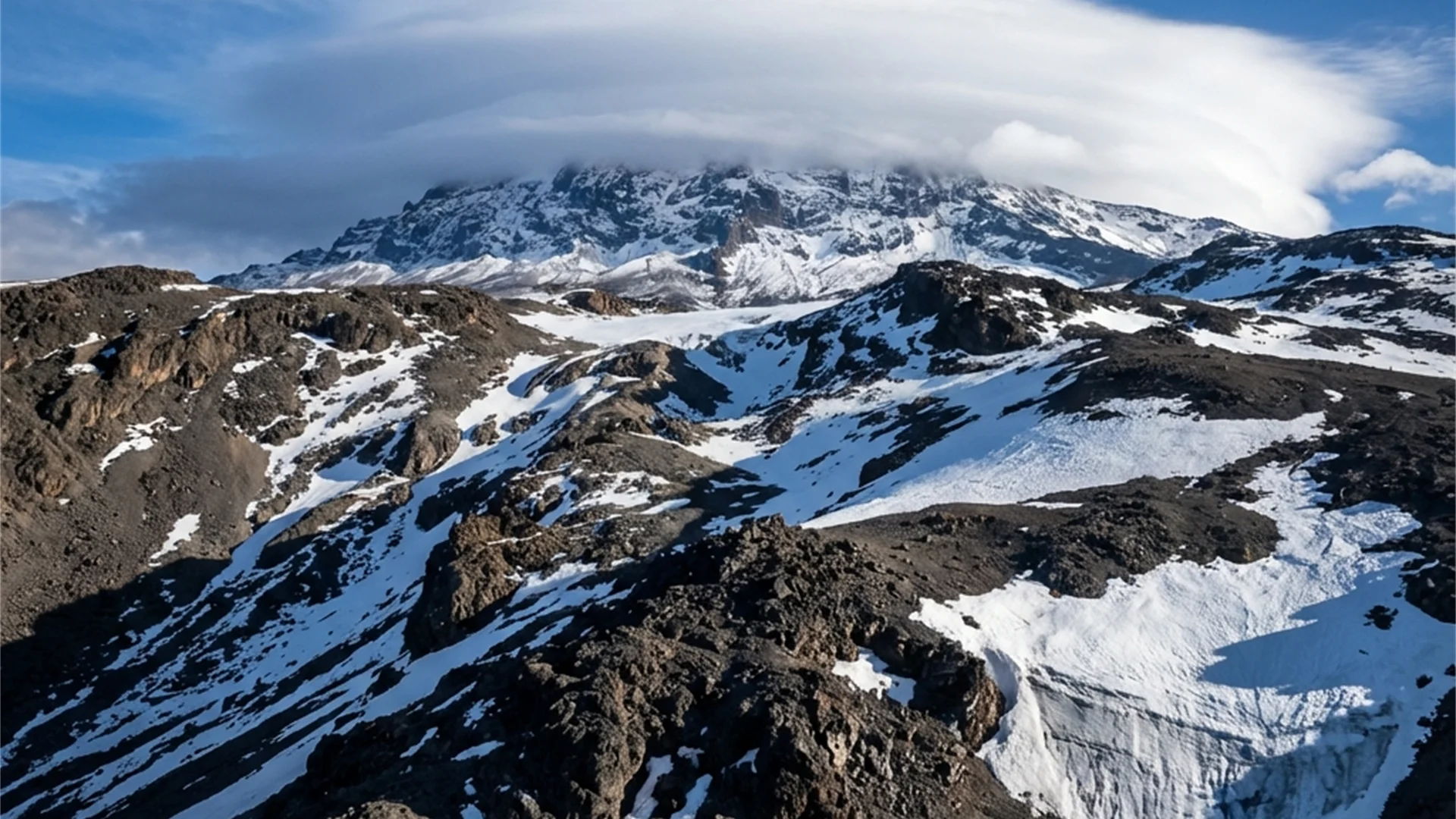
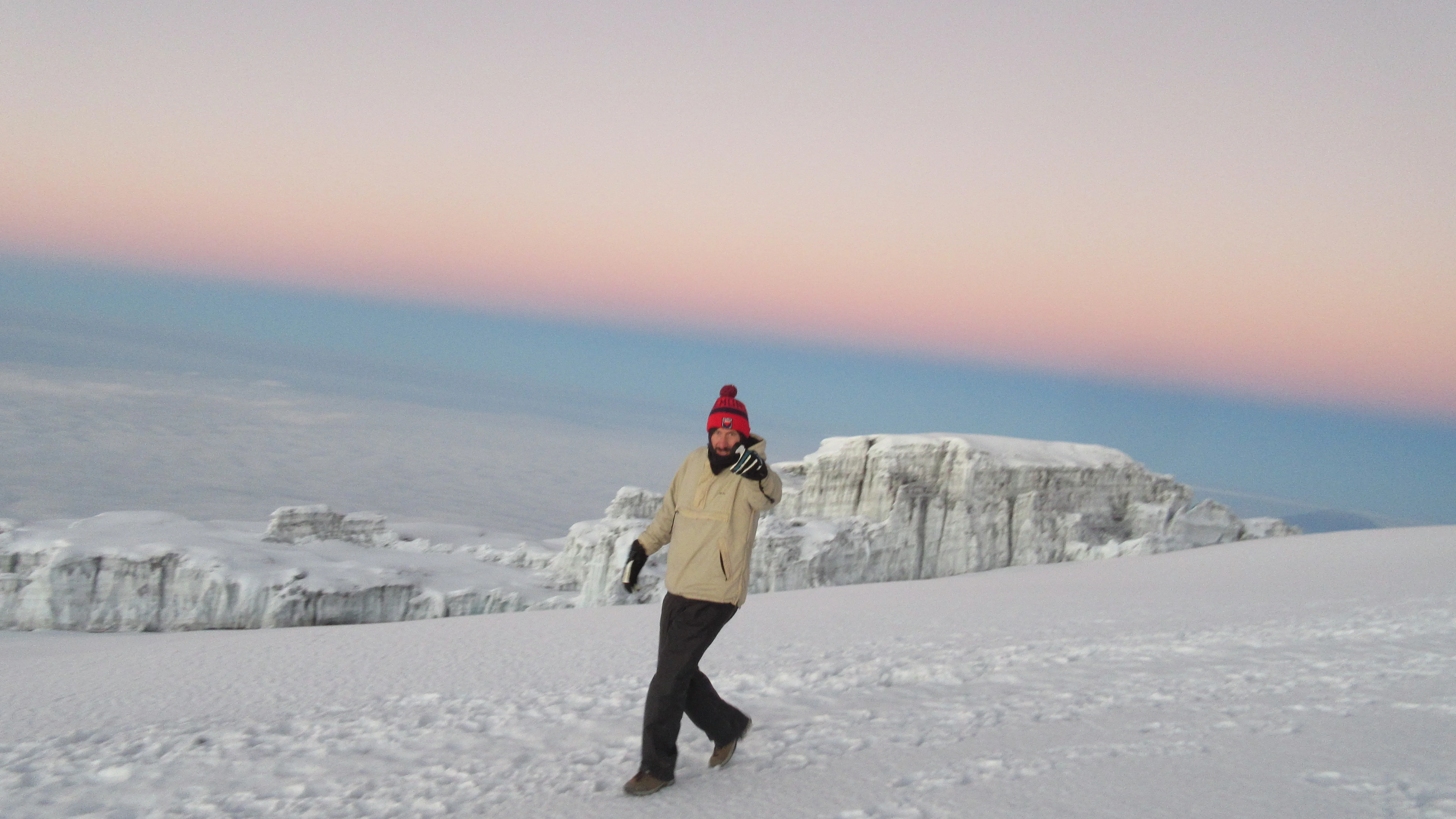
Above 5,000 m. Ancient glaciers, sub-zero temperatures, and the thin air of high altitude. Uhuru Peak awaits at the top.
−10°C to −20°C near the summit. Proper layering is essential.
Kilimanjaro is a trekking mountain. Good fitness and determination are the main requirements.
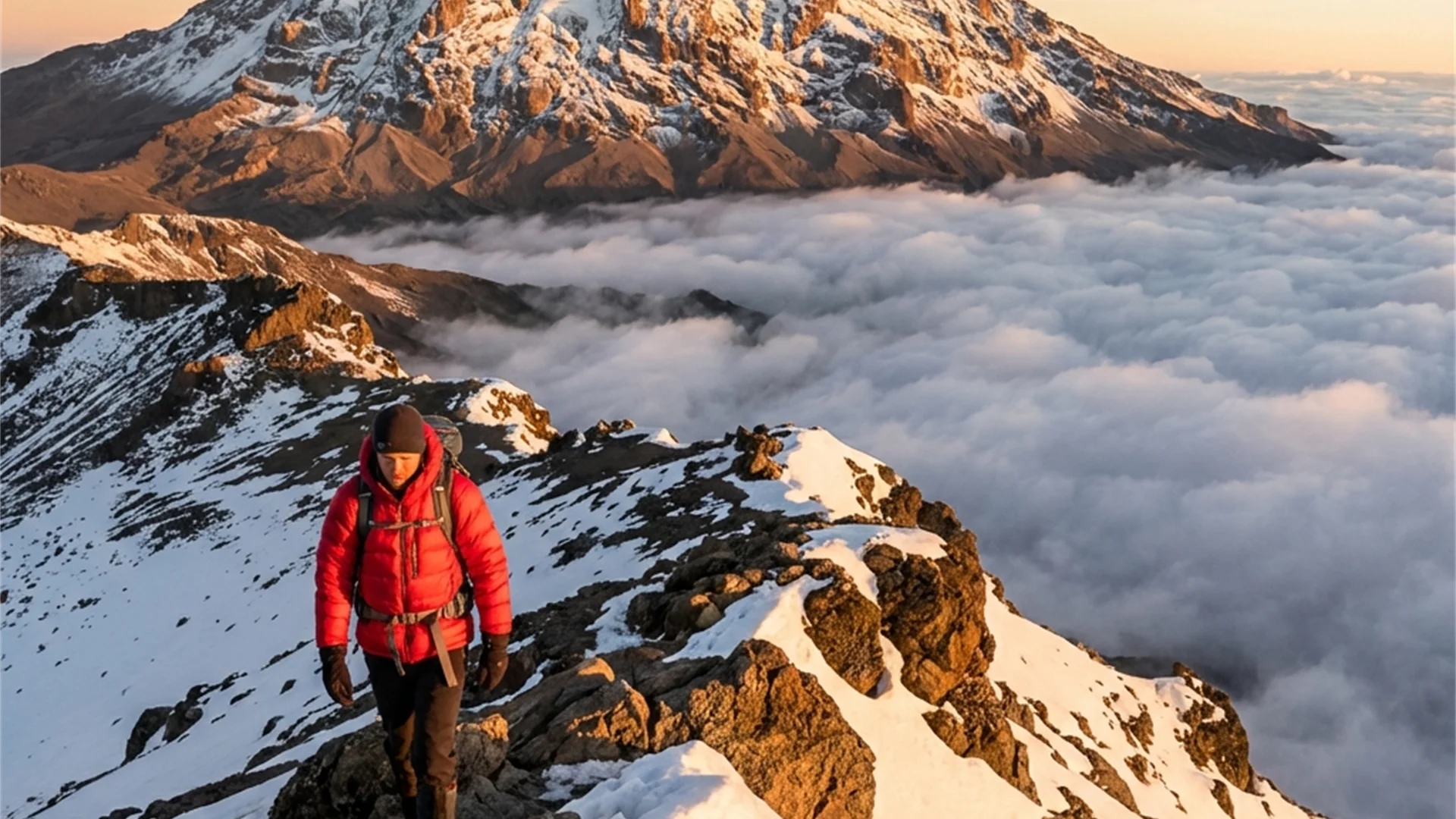
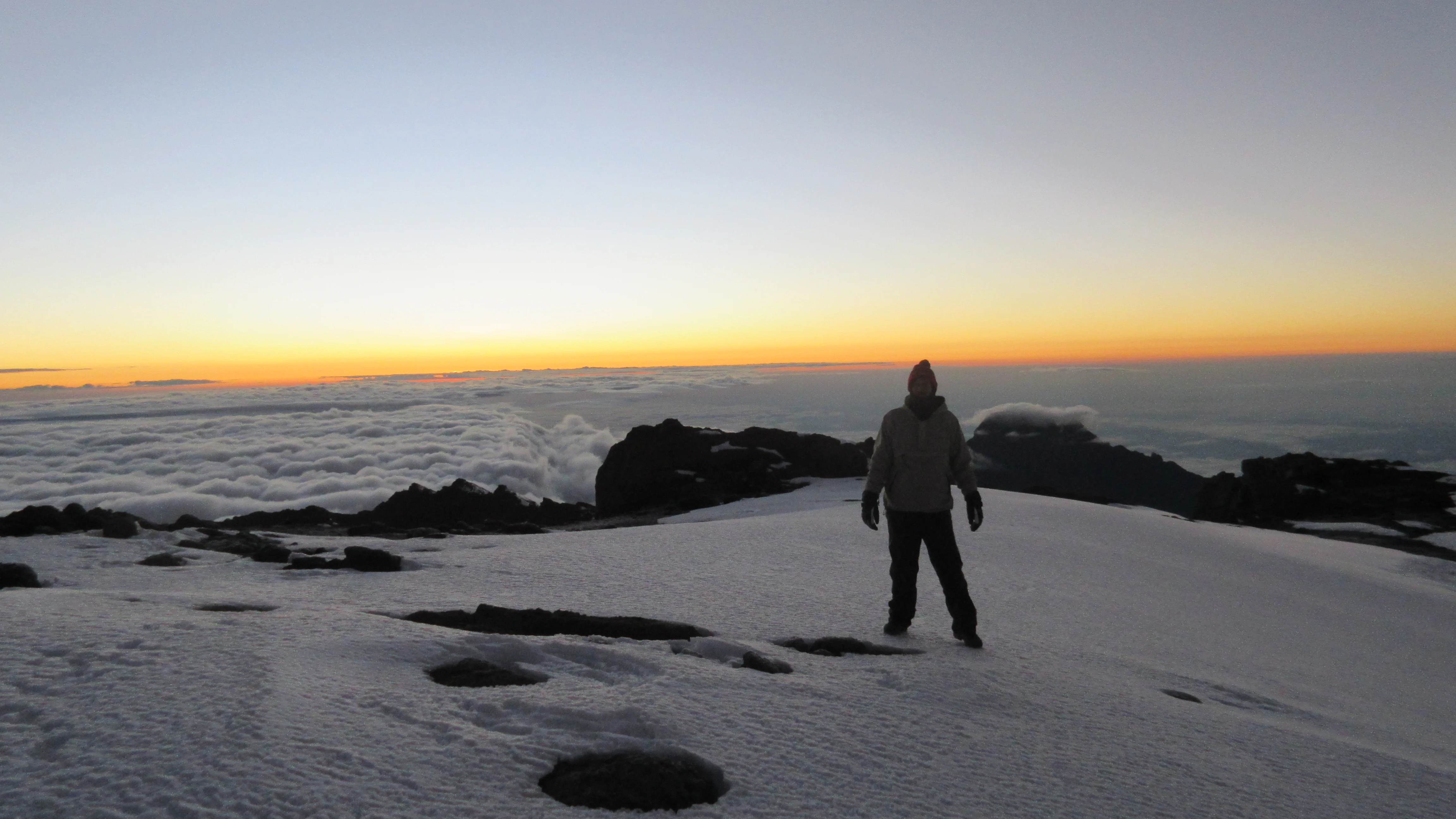
Departure around midnight. Reaching Uhuru Peak at sunrise is a life-defining moment.
Stand on the Roof of Africa.
Reach Uhuru Peak at Sunrise.
Start planning your Kilimanjaro climb today
Plan My Kilimanjaro ClimbAbout Gosheni Safaris
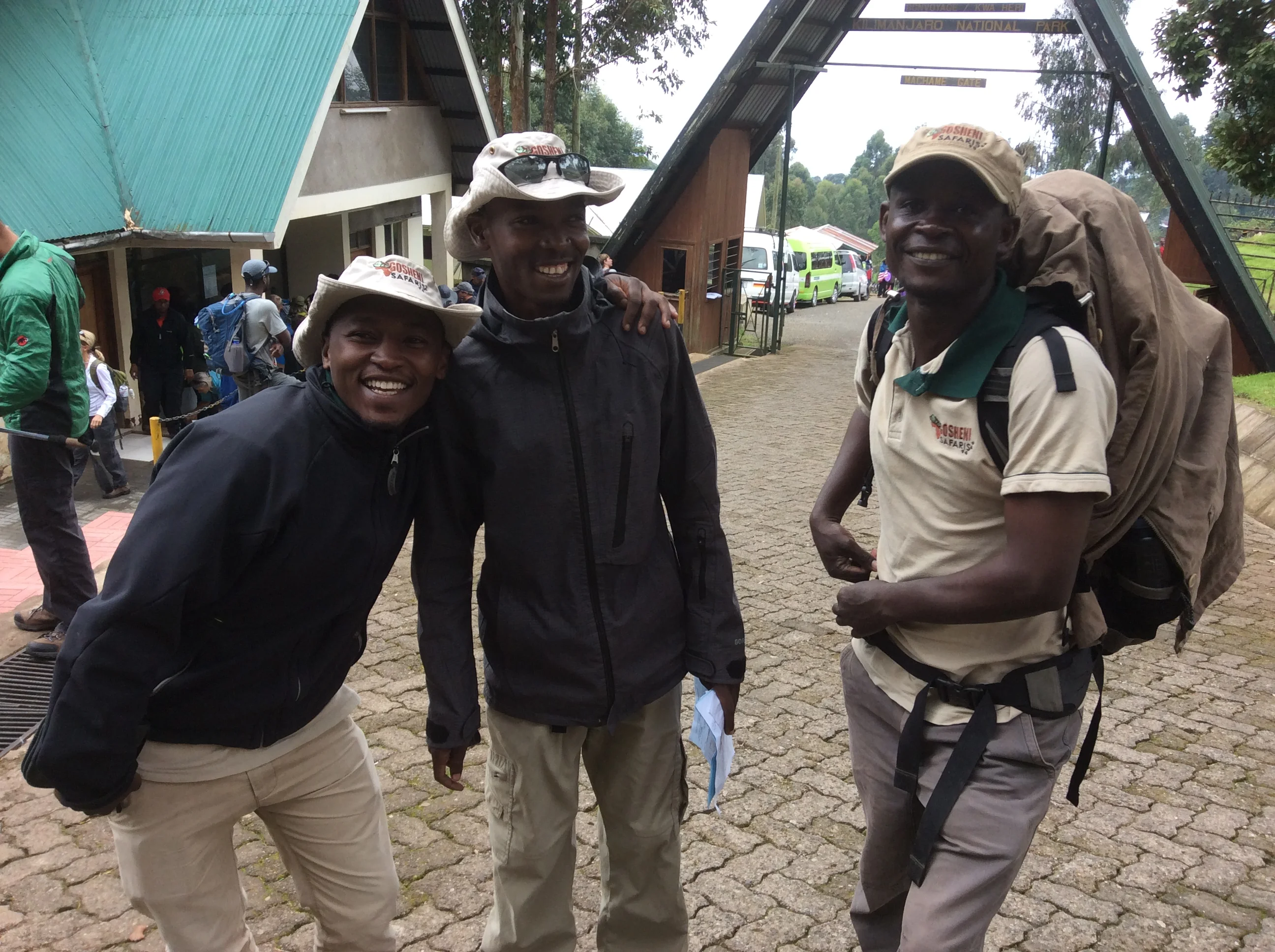
Locally owned and operated by Tanzanians since 2009. Proud members of TATO.
Our Kilimanjaro Team
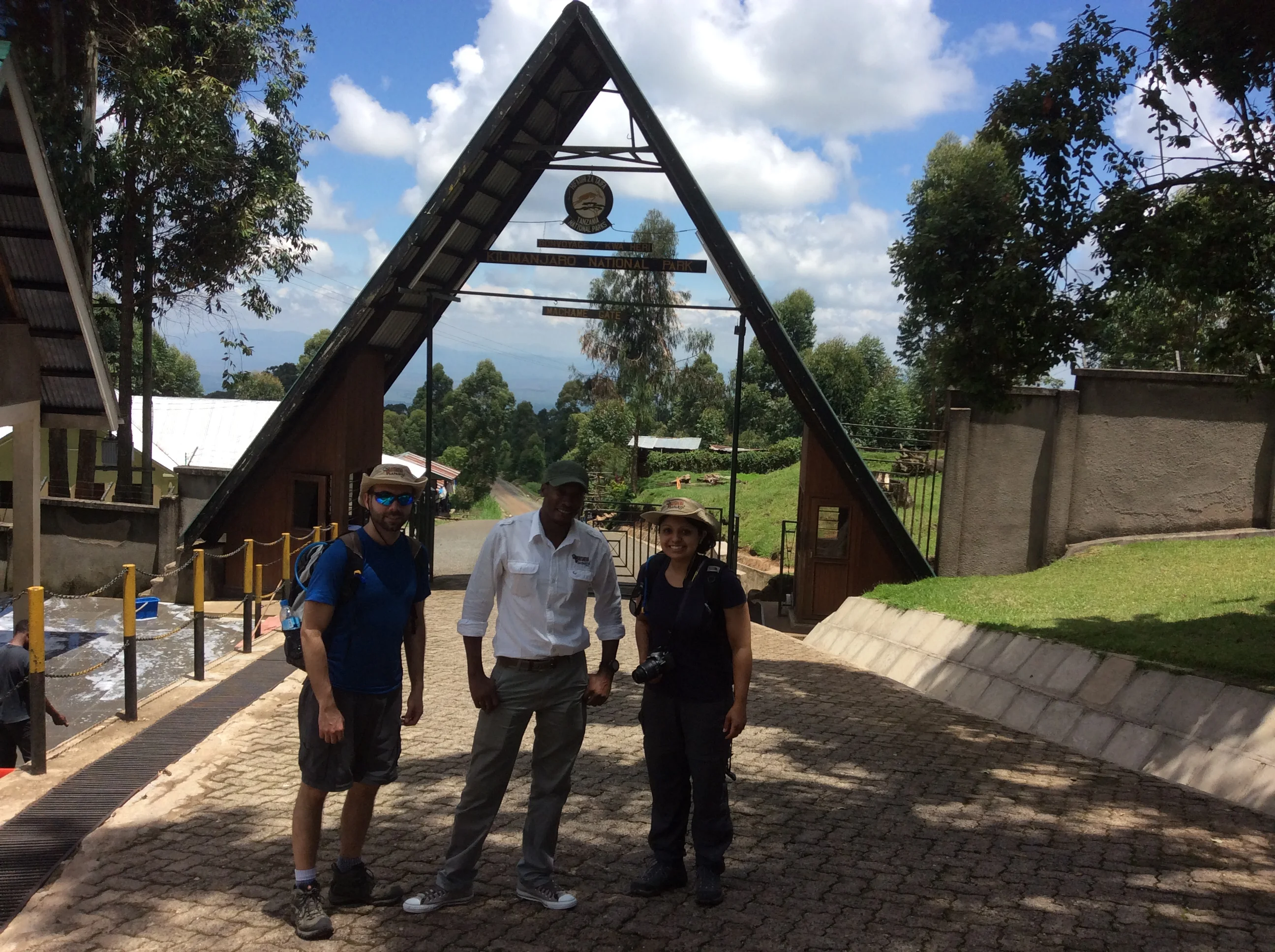
We organize fully supported Kilimanjaro expeditions — including permits, professional guides, experienced porters, all meals, camping equipment, and safety monitoring throughout the climb.
Every climb is led by a KINAPA-certified head guide with extensive experience on Kilimanjaro's various routes. Our porters are fairly compensated and treated as valued members of the team.
All Logistics, Handled
From the moment you land in Arusha or Kilimanjaro Airport, we take care of everything. Transfers, park permits, crew briefings, gear checks, altitude monitoring, and your return transfer after the climb.
You focus on the climb. We handle the rest.
Guides Fluent in Multiple Languages
Our guides communicate fluently in English, and many speak additional languages including French, German, Spanish, and Italian — ensuring clear communication at every stage of the climb.
Your guide is also trained in wilderness first aid and altitude sickness recognition, and carries supplemental oxygen and a pulse oximeter on every expedition.
What Our Guests Say
Hear directly from travelers who've climbed Kilimanjaro with us.



"Reached Uhuru Peak at sunrise after 8 days with Gosheni. The guides were patient, encouraging, and incredibly professional. I had zero previous climbing experience and made it to the top. Worth every moment."
"The crew was exceptional. Our head guide monitored everyone's acclimatization closely and made sure we climbed at the right pace. The equipment was top quality and the meals were surprisingly good at altitude!"
"We climbed the Lemosho Route as a group of 4. Every detail was arranged — transfers, permits, all the gear. The team at Gosheni made a challenging adventure feel completely safe and well-supported."
Frequently Asked Questions
No technical climbing experience is required. Kilimanjaro is a trekking mountain — there are no ropes or technical sections. Good physical fitness and mental determination are the primary requirements. We recommend regular cardiovascular training (hiking, running, cycling) in the months before your climb.
Temperatures near the summit can reach −10°C to −20°C, especially during summit night. Proper layering is essential: moisture-wicking base layers, insulating mid-layers, and a quality windproof/waterproof outer shell. We provide a detailed kit list when you book.
Longer routes (7–9 days) significantly improve acclimatization and summit success rates. We strongly recommend a minimum of 7 days. The 8-day Lemosho route is our most popular for this reason. Shorter routes are possible but statistically result in lower summit rates due to faster altitude gain.
On our recommended Lemosho route (8 days), our summit success rate is consistently high. The main factor affecting success is acclimatization — which is why we recommend longer routes and proper preparation. Our guides are trained to monitor altitude sickness and will make safety-first decisions at all times.
Yes — travel insurance that covers high-altitude trekking and emergency evacuation is required. Kilimanjaro has a helicopter rescue service, but it is costly. Make sure your policy covers activities above 5,000 m. We can recommend suitable insurers on request.
No. We provide all group camping equipment: 4-season tents, sleeping bags, sleeping pads, dining tent, and cooking equipment. You bring your own personal clothing and gear (boots, layers, headlamp, etc.). We supply a full kit list when you book.
Tipping is customary and appreciated by the mountain crew. A typical guideline is USD $20–30 per person per day for the whole team combined (distributed among guides, porters, and cook). We provide a tipping breakdown closer to your climb date.
Best Time to Climb Kilimanjaro
Kilimanjaro can be climbed year-round, but weather conditions vary. The best months for clearer skies and more stable weather are:
January – March
Clear skies, dry conditions on the upper mountain. One of the best windows of the year. Some rain possible at lower elevations.
April – May
Long rains season. Trails are muddy and cloud cover is frequent. Possible but challenging — some operators close during this period.
June – October
The peak climbing season. Dry, clear conditions — especially July and August. Book well in advance as routes are busier.
November – December
Short rains season. Conditions vary and summit views may be limited. December (from mid-month) improves as rains ease.
Plan Your Kilimanjaro Climb
Tell us your travel dates and group size, and we will recommend the best route and prepare a tailored proposal.
Prefer to Chat?
Send a WhatsApp message with your travel details — number of climbers, preferred dates, fitness level, and any questions you have.
Chat on WhatsAppOr use our inquiry form below.